ALL PRODUCTS IGSL INTERNATIONAL CERTIFIED



Sale
-26%
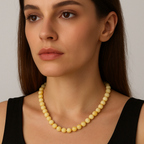
Aragonite 8 mm Knotted Natural Stone Necklace
Regular price
9,100.00TL
Sale price
6,750.00TL
Shipping price will be calculated at checkout. Taxes included
Only 5 left
IGSL Sertifikalı
Ücretsiz Kargo
14 Gün İade Garantisi
1–4 İş Günü Teslimat
Lüks Hediye Paketi
Description
Aragonite, a natural stone, is a crown jewel in decorative jewelry with its elegant and unique appearance. So, what is aragonite and where does it come from? What is its mineral structure, and what jewelry uses are there? In this blog post, I will provide information about the origin and mineral structure of aragonite, and explain the jewelry styles it's frequently used in. Read on to learn more about the unique beauty and uses of aragonite.
Where does aragonite natural stone come from?
Aragonite is a natural stone known as calcium carbonate. Aragonite is extracted from a variety of natural sources and is often associated with volcanic activity, caves, and marine shells. Different methods are used to extract aragonite.
The first method involves extracting aragonite from caves. Caves provide a suitable environment for aragonite crystals to form. These crystals are formed through years of accumulation of water, seepage, and the amalgamation of minerals. Exploring caves and accessing the aragonite resources within them is an important task for natural stone miners.
The second method involves extracting aragonite, which forms through volcanic activity. Lava from volcanoes can contain calcium carbonate. As this lava cools and solidifies, aragonite crystals form within it. This form of aragonite, a natural stone, can be found in volcanic regions and mined by miners.
| Aragonite natural stone minerals: | Aragonite natural stone is made from calcium carbonate minerals. |
| Other uses of aragonite natural stone: | Aragonite is also used in jewelry making, particularly in necklaces, bracelets, and earrings. |
What is the mineral structure of aragonite natural stone?
Aragonite, a natural stone, is a carbonate mineral found in many places. It is often confused with calcite, but it is a different mineral. Aragonite is a crystalline form of calcium carbonate with the chemical formula CaCO3. Its crystal structure consists of fine needle-shaped crystals arranged in a rectangular prism.
The mineral structure of aragonite is characterized by its crystal lattice and crystal symmetry. The crystal structure is formed by the regular arrangement of calcium and carbonate ions. This crystal lattice gives aragonite its unique physical and chemical properties. For example, aragonite has a hardness ranging from 3.5 to 4 and has measurable optical properties.
Aragonite is a natural stone widely used in industry and jewelry making. Its crystalline and lustrous structure allows it to be used in a variety of jewelry and ornamental items. Furthermore, aragonite's natural beauty makes it a popular decorative material, making it a particularly popular choice for marine-themed designs.
| Feature | Explanation |
|---|---|
| Hardness | Varies between 3.5 and 4 |
| Chemical Formula | CaCO3 |
| Crystal Structure | Rectangular prism shaped needle crystals |
| Areas of Use | Jewelry making, ornaments, decorative purposes |
In which jewelry is aragonite natural stone used?
Aragonite is a natural mineral commonly found in nature and is used in many different jewelry items. This gemstone has an elegant and striking appearance, adding a unique touch to jewelry. Read on to learn more about its uses.
Aragonite is most commonly used in bracelets, earrings, and necklaces. When used in these jewelry pieces, aragonite creates an elegant and sophisticated look. Furthermore, aragonite's durable structure ensures the jewelry will last a long time. Furthermore, aragonite's diverse color and pattern options allow jewelry makers to express their creativity.
Another popular type of jewelry is rings. Aragonite natural stone rings create a dazzling and eye-catching piece. This makes them a popular choice for special occasions or as a special gift. The unique colors and patterns of aragonite add even more character to the ring, allowing for the creation of a personalized piece.

✦ Her Sipariş İçin
✦ LÜX PAKETLEMEMİZ ✦
Her Kargo
Bir Hediye Gibi Gelir
Safnaturel'de her sipariş, özenle hazırlanmış lüks ambalajıyla teslim edilir. Kendinizi ödüllendirin ya da sevdiklerinize unutulmaz bir sürpriz yapın.
-
Sertifikalı Doğal Taş IGSL belgesi kutu içinde teslim edilir
-
Özel Tasarım Kutu Siyah matte kutu, altın logolu, ipek iç kaplama
-
Kişisel Teşekkür Notu Her siparişe el yazısı not eşlik eder
-
Hediye Seçeneği Siparişinize kişisel mesaj ekleyebilirsiniz