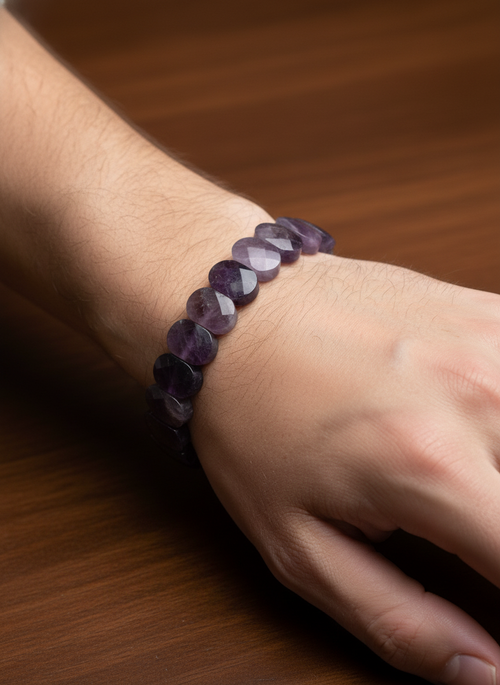
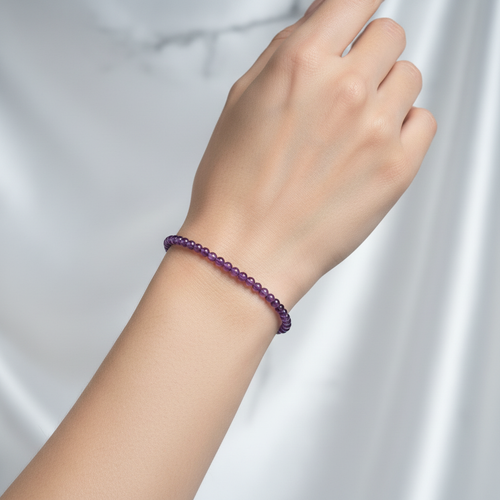
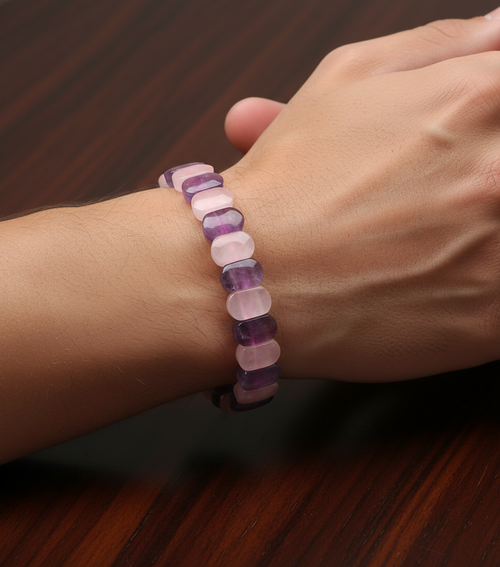
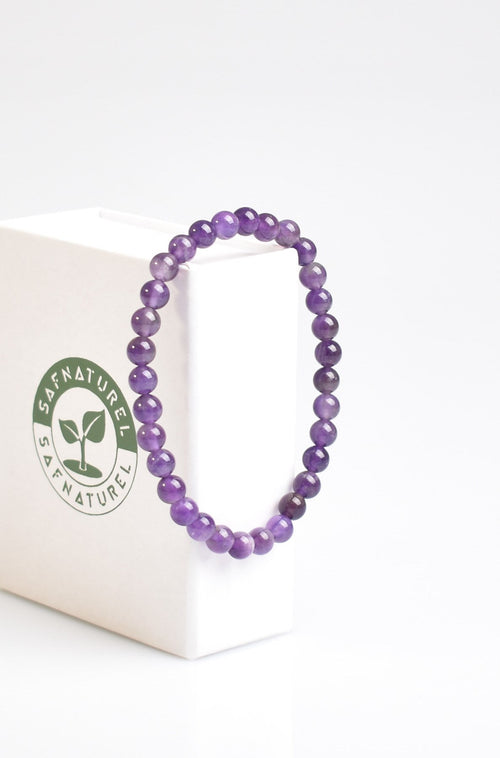
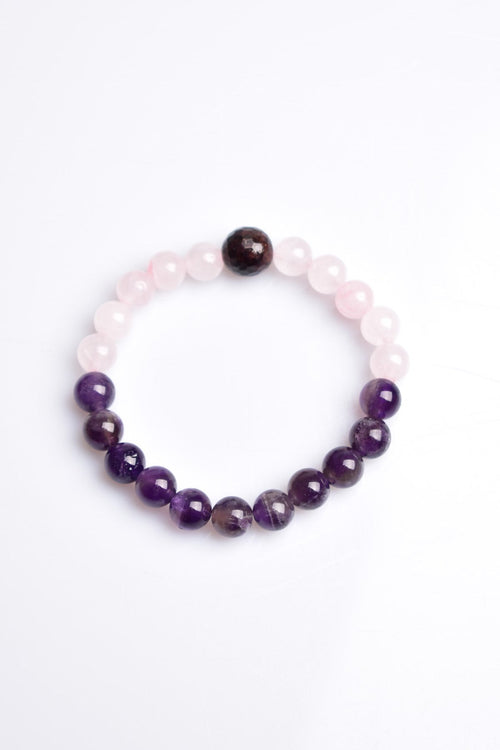
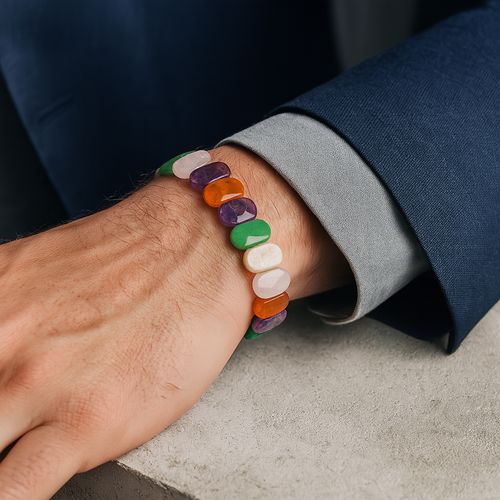
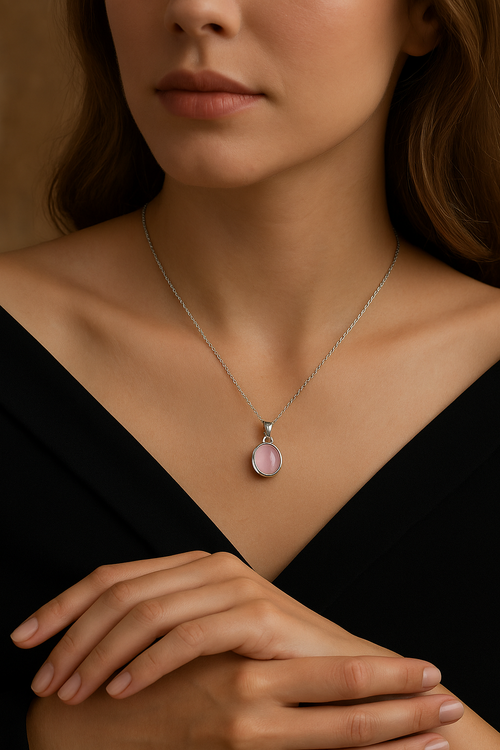
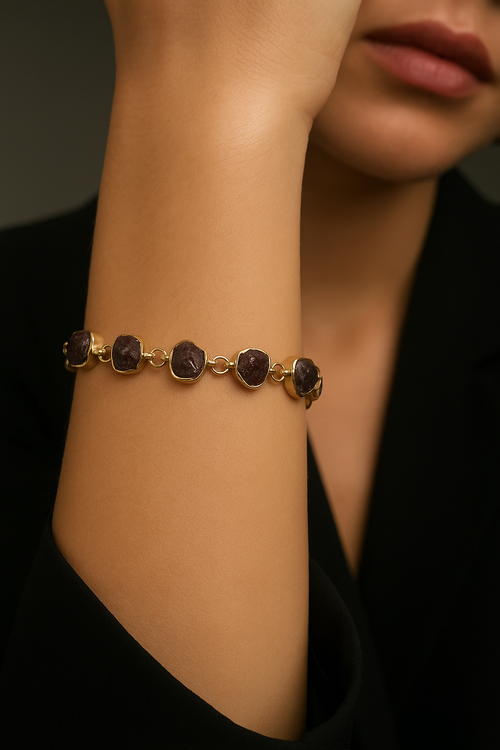
ALL PRODUCTS IGSL INTERNATIONAL CERTIFIED

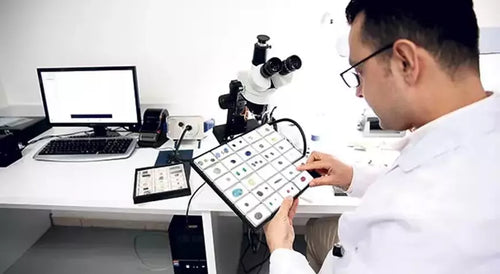
Natural stones stand out as valuable investments and aesthetic choices due to their originality and unique features. However, the most reliable way to determine the true value and authenticity of a natural stone is to have it certified . Natural stone certificates are official documents issued by independent laboratories and detail all the characteristics of the stone. So, what information does a natural stone certificate contain? Here are the details:
1. Type and Name of the Stone
The certificate indicates the mineral type the stone belongs to. For example:
- Amethyst
- Ruby
- Emerald
- Tourmaline
The scientific name and the commonly used trade name of the stone are clearly stated on the certificate.
2. Color Properties
The hue, saturation, and color distribution of natural stone are explained in detail. For example:
- Color: Vivid purple, pale green, dark red
- Colour tones: Are they homogeneous or do they contain regional variations?
Colour information plays an important role in determining the value of the stone.
3. Carat Weight
A stone's weight is expressed in carats (ct) , the international unit of measurement. Carat weight directly affects the stone's size and value.
4. Cut and Shape
The certificate describes the cut and shape characteristics of the stone. For example:
- Cut type: Round, pear, emerald cut, princess cut
- Shape: Oval, square, rectangle, free form
The cut and shape affect the stone's aesthetic appearance and light reflectance capacity.
5. Clarity
Clarity describes any natural imperfections (inclusions) in the stone's internal structure or surface flaws. The certificate expresses clarity in terms such as:
- Flawless (F)
- Very Slightly Included (VS)
- Visible defects (Included - I)
6. Chemical and Physical Properties
The stone's chemical structure, physical properties, and optical properties are detailed. This information includes:
- Chemical composition (e.g.: SiO₂, Al₂O₃)
- Degree of hardness (Mohs scale)
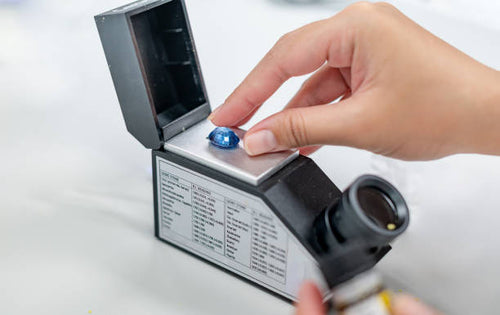
- Refractive index
- Optical properties such as birefringence and pleochroism
7. Move Transaction History
One factor that affects the value of natural stones is whether they have been treated. The certificate includes the following information:
- Heat treatment: Is color or clarity improved?
- Coating: Has a treatment been applied to the surface?
- Fill or paint: Have cracks in the stone been filled or painted?
Rough stones are generally more valuable and this is clearly stated on the certificate.
8. Origin of the Stone
Some certificates specify the country or region where the stone was mined. For example:
- Colombian emeralds
- Myanmar rubies
- Brazilian amethysts
Knowledge of origin can increase the cultural and commercial value of the stone.
9. Certificate Number and Laboratory Information
Each certificate has a unique certificate number . It also includes the name of the issuing laboratory, its logo, and the signature of the authorized personnel. This information ensures the certificate's international validity and verifiability.
10. Verification Link or QR Code
Modern certificates include a link or QR code to digitally verify the stone's certification. This makes it easy to verify its authenticity and ensures international validity.
Advantages of Certified Natural Stones
Certified stones are preferred for the following reasons:
- Authenticity Guarantee: The stone is certified to be natural and real.
- Value Determination: The quality and value of the stone are officially proven.
- International Reliability: Certified stones enable easier trade around the world.
- Investment Value: Certificates support the use of the stone as a long-term investment vehicle.
Certified Natural Stones at Safnaturel
At Safnaturel, all our natural stones are analyzed and certified by internationally recognized laboratories. Each stone provides transparent information regarding its detailed characteristics and authenticity. To view our certified stones, please visit safnaturel.com .
Natural stone certificates are official documents that certify the authenticity and value of a stone. The detailed information contained in these certificates is crucial for understanding both the commercial and aesthetic value of the stone. Requesting a certificate when purchasing natural stone is a fundamental step in ensuring a reliable and high-quality purchase.