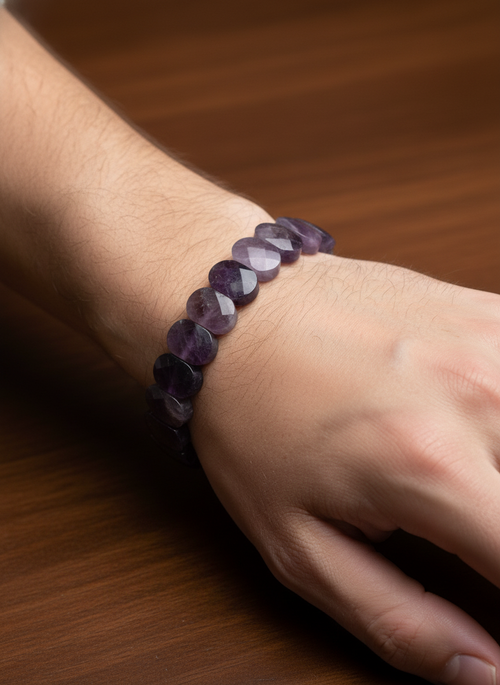
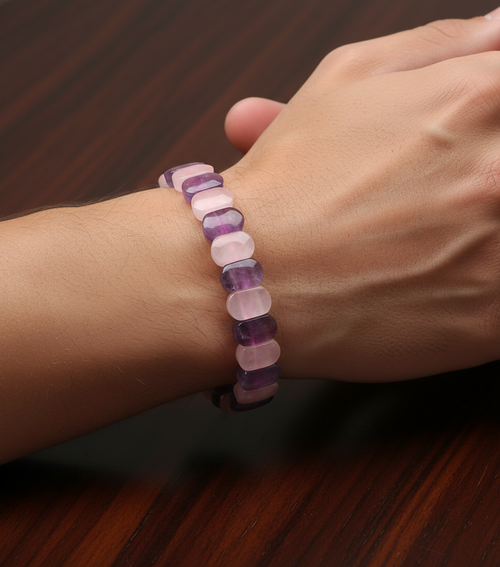
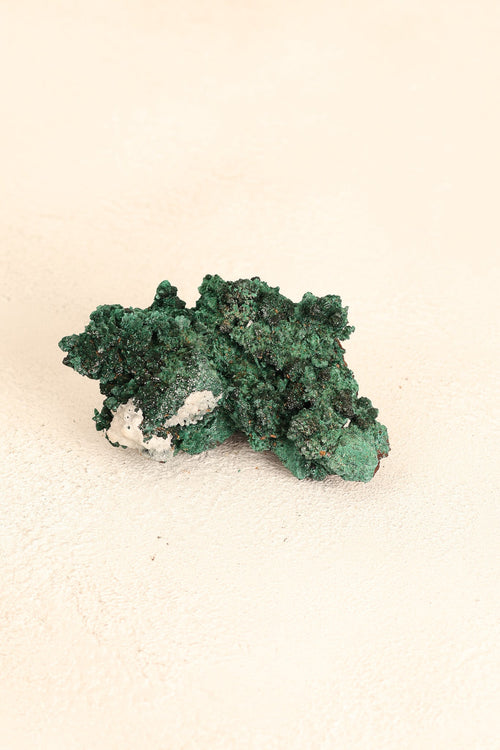
ALL PRODUCTS IGSL INTERNATIONAL CERTIFIED

Natural stones, with their aesthetic appeal and unique properties, hold a significant place in the world of jewelry and decoration. However, obtaining a natural stone certificate is crucial to document the authenticity and value of natural stones. So, how do you obtain a natural stone certificate? Here's our step-by-step guide:
1. Choose the Right Lab
The first step to obtaining a natural stone certificate is finding a reliable gemological laboratory. To receive an internationally recognized certificate, the stone must be analyzed by a recognized institution. Prominent laboratories include:
- GIA (Gemological Institute of America)
- IGSL (International Gemological Science Laboratory)
- IGI (International Gemological Institute)
- HRD Antwerp
These laboratories analyze the chemical and physical properties of the stone and certify it.
2. Prepare Your Stone
Prepare your stone carefully before sending it to the laboratory. Follow these steps to ensure safe delivery:
- Clean your stone, but be careful not to damage it.
- If your stone is set (for example, in a ring or necklace), be aware that the setting may have an impact on the stone's analysis.
- Pack the stone appropriately to avoid the risk of breakage.
3. Send to Lab for Analysis
Ship your stone according to the procedures specified by your chosen laboratory. Some laboratories offer on-site pickup, while others accept stones via courier. When shipping, be sure to note the following:
- Send your stone insured.
- Get written confirmation that the stone has been shipped at the time of delivery.
4. Stone Analysis Process
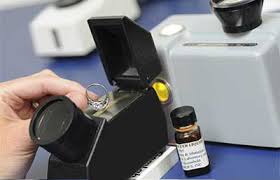
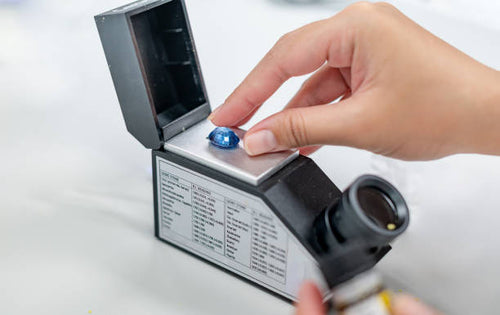
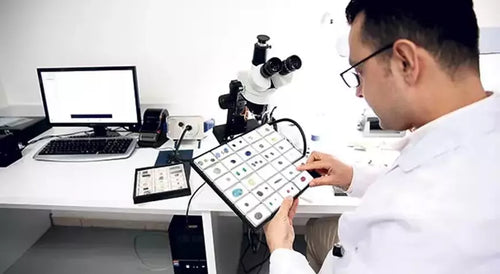
The laboratory analyzes the stone to determine its chemical and physical properties. The main characteristics examined in this process are:
- Chemical composition: The mineral structure and composition of the stone.
- Color and clarity: Factors affecting the natural appearance of the stone.
- Carat weight: The total weight of the stone.
- Cut and shape: The way the stone is processed.
- Process history: Whether the stone has undergone any processing.
The analysis process usually takes several days.
5. Certificate Issuance
Based on the analysis results, the laboratory prepares a certificate for the stone. This certificate is like an identification card for the stone and contains the following information:
- Type and name of the stone
- Color, clarity and cut information
- Chemical formula and structure
- Information on whether the stone has been processed or not
- Logo of the laboratory performing the analysis and signature of the authorized person
The certificate is usually presented as a physical document, but a digital version can also be requested.
6. Receive the Certificate
Once the certificate is issued, it will be delivered to you along with your stone. Upon receiving it, carefully examine the certificate to ensure its accuracy. Ensure the certificate includes the following information:
- Laboratory name and logo
- Certificate number (must be unique)
- Detailed analysis information of the stone
Advantages of Certified Natural Stones
- Guaranteed authenticity: The certificate proves that the stone is natural.
- Investment value: Certified stones have a higher monetary value.
- Commercial advantage: Provides reliability in international sales.
- Consumer confidence: Buyers prefer certified stones.
Certified Natural Stones with Safnaturel
At Safnaturel, all our natural stones are certified according to international standards. Each stone is tested in independent laboratories to confirm its authenticity. To view our certified stones and learn more, please visit safnaturel.com .
A natural stone certificate is an important step in proving the value and authenticity of a stone. By choosing a reliable laboratory and following the correct steps, you can have your stone certified and make a reliable long-term investment.