ALL PRODUCTS IGSL INTERNATIONAL CERTIFIED


The Scientific Journey of Lepidolite: Properties, Types and Facts Behind Crystals
Entrance
Lepidolite is a rare lithium-bearing mica mineral known for its pink or purple hues. Its chemical formula is roughly K(Li,Al)3(Al,Si)4O10(F,OH)2, and it is a phyllosilicate (sheet silicate) mineral belonging to the mica group ( Lepidolite: A lithium-rich mica mineral, often pink or purple ). The name " lepidolite " derives from the Greek word " lepidos " (flake), referring to the stone's scaly, leafy structure. Indeed, lepidolite is notable for its leaf-like, layered crystal structure and, like other micas, exhibits excellent layering (mercuryization). This article will explore the properties, formation, color variations, and subspecies of lepidolite , as well as facts based on scientific research.
Chemical and Physical Properties
Lepidolite is a lithium -rich mica that is usually pink, lilac, or purple ( Lepidolite: A lithium-rich mica mineral, often pink or purple ). Its structure contains potassium, lithium, aluminum, silicon, fluorine, and hydroxyl ions. Although once thought to be a separate mineral, lepidolite is actually the common name given to the middle compositions of the solid solution series called the polylithionite–trilithionite series ( Lepidolite: A lithium-rich mica mineral, often pink or purple ). The polylithionite end of this series corresponds to a formula with a higher Li content (Li:Al ratio of ~2:1), while the trilithionite end corresponds to a formula with a lower Li ratio (~1.5:1.5) ( Lepidolite - Wikipedia ). Lepidolite contains lithium and aluminum in varying proportions between these two extremes. For example, lepidolite varieties with higher lithium content exhibit more polylithionite characteristics. Small amounts of sodium , rubidium , and caesium can also replace potassium in its structure through isomorphic impurities ( Lepidolite - Wikipedia ) . Therefore, some lepidolite samples may be rich in rubidium, and rubidium was even first isolated from lepidolite by Bunsen and Kirchhoff in 1861 ( Lepidolite - Wikipedia ).
In terms of its physical properties, lepidolite is considered quite soft – its Mohs hardness is around 2.5–3 ( Lepidolite: A lithium-rich mica mineral, often pink or purple ). It can be scratched lightly with a fingernail. Its density is about 2.8–2.9 g/cm³, which is low compared to other common minerals. Its most distinguishing feature is that, due to its mica structure, it exhibits perfect cleavage in a single direction, which allows it to separate easily into thin flakes ( Lepidolite: A lithium-rich mica mineral, often pink or purple ). Cleavage surfaces have a pearly luster. Indeed, lepidolite's luster has been described as ranging from vitreous to pearly ( Lepidolite - Wikipedia ). While its color usually ranges from pink to purple, its powder or streak color is white ( Lepidolite - Wikipedia ). It has a transparent to translucent appearance; thin flakes can transmit light, but thick masses can be opaque. Its crystal structure is in the monoclinic system and mostly forms layered, flaky aggregates or pseudo-hexagonal plate-shaped crystals ( Lepidolite - Wikipedia ). Microscopic examination reveals a biaxial (-) optical characteristic and a pronounced birefringence. Lepidolite crystals also exhibit pleochroic properties; that is, slight color changes are observed when viewed from different directions. For example, while almost colorless in the X direction, it may appear pink-violet along the Y and Z axes ( Lepidolite - Wikipedia ). This optical property is related to the lithium/aluminum distribution in its structure and the birefringence of light by the crystal layers.
Formation and Geological Processes
How is lepidolite formed? It typically forms in the final crystallization stages of igneous rocks, particularly in granitic pegmatite veins. In large granite pegmatites, rare elements such as lithium, rubidium, and cesium accumulate in the last remaining molten portion of the magma. As this enriched residual melt cools and crystallizes, primary minerals such as quartz and feldspar precipitate first, followed by lithium-bearing minerals. Lepidolite also forms as a late-stage (subsolidus) mineral in this process; that is, after the main constituents of the pegmatite solidify, it finally crystallizes from the residual liquid ( HYDROTHERMAL STABILITY RELATIONS OF SYNTHETIC... ). Therefore, lepidolite usually develops as a secondary mineral in cavities, cracks, or margins of the pegmatite.
Typical companion minerals of lepidolite include the other lithium minerals spodumene (LiAlSi_2O_6) and amblygonite (LiAlPO_4F), as well as late-stage minerals of pegmatites such as tourmaline (elbaite), topaz , beryl , tourmaline , cassiterite , and columbite ( Lepidolite - Wikipedia ). It frequently forms veined textures with quartz and feldspar minerals. Lepidolite is not only found in pegmatites but also occasionally in high-temperature quartz veins and in hydrothermal alteration zones called greizens ( Lepidolite - Wikipedia ). However, the richest and largest lepidolite crystals are usually mined from granite pegmatite deposits in famous pegmatite districts such as Brazil, Madagascar, and the United States (California and South Dakota). For example, the Itinga district in Minas Gerais, Brazil, is known for both purple and rare yellow lepidolite specimens ( Lepidolite - Wikipedia ).
Environmental conditions are as important as chemical composition in the formation of lepidolite. Research has shown that lepidolite remains stable at lower temperatures due to its fluorine content. Synthetic crystal growth experiments conducted in the 1970s revealed that lepidolite can only form stably in the presence of sufficient fluorine (fluorine) and at relatively low temperatures (e.g., <500°C) ( HYDROTHERMAL STABILITY RELATIONS OF SYNTHETIC ... ). Otherwise, at high temperatures, lithium would react with other silicates (such as spodumene), forming different minerals instead of lepidolite. This is consistent with field observations: as pegmatites slowly cool, a volatile-rich (F, B, Li-rich) environment forms in the final stage, and lepidolite forms in this environment at a low crystallization temperature.
Color Types and Formation Mechanisms
One of the most distinctive aspects of lepidolite is its beautiful color tones. Lepidolite species exhibit a variety of color variations: purple, magenta, pink, rose red, gray, white (colorless), and even, rarely, yellowish. In this section, we will examine all the color variations of lepidolite and the scientific reasons for their formation.
Purple and Violet Lepidolite
The most common lepidolite color ranges from violet to lavender. The stone is sometimes called "lilac stone" because of its lilac-like color. Purple lepidolite's color is attributed to trace amounts of manganese ( Lepidolite: A lithium-rich mica mineral, often pink or purple ) . Lithium does not tend to be a chromophore in pink-purple minerals; therefore, Mn2+ and Mn3+ ions, rather than lithium, contribute to lepidolite's lilac color. Spectroscopic analysis has confirmed that samples with increased manganese content exhibit more intense purple/red hues. Purple lepidolite is generally translucent and exhibits a subtle shimmer in light, creating a pleasing appearance. If the crystals are finely cleaved, the intensity of the violet hue may vary when viewed from different axes (pleochroism). This is due to optical birefringence within the lepidolite's internal structure. Purple lepidolite pieces are often of interest to collectors and jewelry makers because of their natural pearly luster and striking color.
( File:'lepidolit' surowe bryłki.jpg - Wikimedia Commons ) Figure 1: Typical purple-violet samples of raw lepidolite. These samples, originating from Minas Gerais, Brazil, exhibit the foliated, nodular appearance of lithium mica. The shiny surfaces are perfect cleavage planes due to the layered structure of lepidolite. Colors can range from light lilac to dark violet, depending on the manganese content. ( Lepidolite: A lithium-rich mica mineral, often pink or purple ). (The photo shows a 2 cm diameter coin for scale.)
Pink and Red Lepidolite
Lepidolite is often found in pink hues. This color spectrum, which ranges from pale pink to rosy red, is specifically related to the manganese content at a specific oxidation level ( Lepidolite: A lithium-rich mica mineral, often pink or purple ). Low concentrations of dispersed Mn2+ produce pale pink or lilac tones, while higher concentrations, and possibly an increase in the Mn3+/Mn2+ ratio, result in rose-red or purplish-pink colors. Pink lepidolite is often more transparent; its thin plates can transmit light, giving it a pink hue. This makes it suitable for decorative purposes and is one of the typical appearances that come to mind when lepidolite is mentioned. For example, pink lepidolite slices, when combined with quartz, can be formed into beautifully patterned cabochon stones ( Lepidolite: A lithium-rich mica mineral, often pink or purple ). Scientific investigation of the mechanism of pink color formation reveals that manganese insertion into specific sites within the crystal lattice creates color centers. In addition, in some pink-toned samples, very small amounts of iron may make the color tone slightly warm (orange-like); however, manganese remains the dominant factor.
Pink lepidolite is also known as the " comfort stone " in metaphysical beliefs due to its calming and peaceful hue. While there is no scientific data to support these claims, the psychological impact of the color pink can be calming. However, there is no proven research demonstrating any physiological effect of lepidolite's pink color; the effect is largely thought to be placebo or aesthetic.
Gray and Colorless (White) Lepidolite
Some lepidolite specimens may appear grayish or smoky white in appearance. In fact, a pure and flawless lepidolite should be completely colorless (transparent white) ( Lepidolite - Wikipedia ), as its primary structure contains no strong coloring atoms. Therefore, the absence of a distinct color in lepidolite indicates a very low manganese content and very few other impurities. Colorless in thin layers, lepidolite can acquire an opalescent gray appearance as it thickens or when numerous microscopic flakes coalesce. This is due to the abundant reflection and scattering of light within the mineral. Gray lepidolite often exhibits a slightly purplish sheen in light, suggesting the presence of manganese, even trace amounts. Completely colorless lepidolite is quite rare and only occurs in small crystals formed under special conditions (e.g., almost completely free of chromophore elements). ( Lepidolite: A lithium-rich mica mineral, often pink or purple ).
Gray-toned lepidolite is generally considered the least aesthetically pleasing variation and, therefore, less sought-after in collectors. However, when examined scientifically, these colorless-gray specimens are valuable for understanding the pure structure and optical properties of lepidolite. In such specimens, pleochroism is almost imperceptible and the optic axis angle (2V angle) is very low, providing an opportunity to study the effect of the Li/Al ratio in the mineral's formula on optical parameters ( Lepidolite - Wikipedia ).
Yellowish and Rare Colored Lepidolite
The rarest color variation in lepidolite is yellow or yellowish green. Yellow lepidolite is quite rare and typically forms under specific conditions in lithium deposits such as those in Brazil. While the exact mechanism of yellowish color formation is not fully understood, it is likely attributed to the presence of iron ions (Fe3+) in the structure or the formation of color centers by some radiation effects . Some researchers have suggested that yellow lepidolite may also contain a higher proportion of Mn3+ than Fe3+, resulting in a different color tone. For example, both manganese and iron have been analyzed in yellow lepidolite from Itinga (Brazil). Consequently, the yellow color is associated with changes in electron band gaps within the crystal lattice and the absorption of light at different wavelengths.
When found, yellow lepidolite typically appears as transparent masses, typically grayish yellow or honey-colored. Some mica may not even be immediately recognizable as such, as it differs significantly from the typical pink-purple color. The scientific significance of yellow lepidolite lies in its ability to incorporate various trace elements (e.g., Fe) into its structure, significantly affecting the mineral's appearance. This diversity is valuable in understanding the relationship between trace element geochemistry and color formation in mineralogy.
Subtypes (Series) of Lepidolite Stone
The name lepidolite, as mentioned above, is actually a series . According to the mica nomenclature system, revised in 1998, "lepidolite" is not a single mineral species but a series of lithogenic micas ( Category:Lepidolite - Wikimedia Commons ). The end members of this series are defined as polylithionite (at the Li-rich end) and trilithionite (at the Li-poor, Al-rich end) ( Lepidolite - Wikipedia ). The ideal formula for polylithionite is KLi2Al(Si4O10)(F,OH)2, and for trilithionite, K(Li1.5Al1.5)(AlSi3O10)(F,OH)2 ( Lepidolite - Wikipedia ). Because of the constant solid solubility between these two in nature, it is often difficult to make individual distinctions. Therefore, it is common to collectively refer to intermediate compositions as lepidolite, the former name.
To understand the subspecies within the lepidolite series, it's necessary to examine their chemical composition. If the Li/Al ratio in a sample is close to ~2, polylithionite character predominates; if the Li/Al ratio approaches ~1, trilithionite character predominates. For example, some lepidolite analyses show 4-5% Li2O content, while others may reach 7-8%. High Li content generally correlates with more intense pink-purple colors, as manganese often accompanies Li. However, distinguishing subspecies cannot be made solely by color; laboratory chemical analysis or X-ray diffraction (XRD) analysis is necessary. Indeed, scientists use methods such as XRD, electron microprobe , and Raman spectroscopy to determine which subspecies they are closer to for detailed examination of lepidolite samples. X-ray structure analyses performed in the 1980s revealed that lepidolite crystallizes most commonly in two polymorphs, designated 1M and 2M1 ( Lepidolite X050113 - RRUFF Database: Raman, X-ray, Infrared, and Chemistry ) . These are small structural variations due to the stacking of the crystal layers in different ways. However, these substructure differences are not normally discernible to the naked eye.
Another example of a unique subspecies is the mineral masutomilite . Masutomilite can be considered the high-manganese end of lepidolite and has been described in the literature as "manganese zinnwaldite" ( Lepidolite X050113 - RRUFF Database: Raman, X-ray, Infrared, and Chemistry ). In other words, masutomilite is a Mn2+/Fe2+-rich compound in the lepidolite-trilithionite series. This rare mineral, first identified in Japan, exemplifies the compositional diversity of the lepidolite series.
In summary, the subspecies of lepidolite are defined by slight variations in chemical composition. While all are commonly referred to as "lepidolite," scientific classifications include polylithionite, lepidolite (intermediate compositions), and trilithionite ( Lepidolite: A lithium-rich mica mineral, often pink or purple ). The differences between these subspecies also shed light on the chemical conditions of the mineral's formation: For example, the tendency toward polylithionite increases in fluorine-rich environments, while at higher temperatures, it can shift toward trilithionite.
Benefits and Uses of Lepidolite Stone
Lepidolite is a gemstone of both industrial and scientific value due to its lithium and rare elements content. Lepidolite's properties make it suitable for a variety of uses:
-
Lithium Source: Historically, lepidolite was one of the main ores from which lithium was extracted ( Lepidolite: A lithium-rich mica mineral, often pink or purple ). Especially in the first half of the 20th century, lepidolite and similar lithium mines were exploited for the production of lithium carbonate. Lithium is the active ingredient in medications used to treat bipolar disorder in psychiatry and, most importantly, is a critical element in the production of lithium-ion batteries . The production of lithium from lepidolite requires the chemical separation of the lithium in the ore. Although today, economically viable large-scale lithium production is mostly from brine solutions (saline lake basins), with advances in technology, lithium extraction from hard rock ores such as lepidolite has begun to regain importance. For example, a recently developed innovative extraction technique has increased lithium solubility by roasting lepidolite concentrate in the presence of water vapor at high temperatures, demonstrating a more efficient lithium extraction method ( A novel process for extracting lithium from lepidolite - ScienceDirect ). Such studies suggest that minerals like lepidolite could be used as sustainable lithium sources in the future.
-
Rubidium and Cesium: Lepidolite is also an important source of rubidium (Rb) ( Lepidolite - Wikipedia ). In fact, rubidium was discovered during the analysis of lepidolite. Rb and Cs (cesium) often partially replace potassium in the chemical structure of lepidolite. Rubidium is used in some specialty alloys, photovoltaic applications, and atomic clocks. Cesium is a critical element in oil drilling fluids and atomic clocks. It is possible to extract rubidium/cesium from lepidolite, but the concentration of these elements is generally low; therefore, lepidolite is historically important for obtaining these elements in laboratory purity (e.g., the discovery of rubidium). While rubidium and cesium are generally obtained today from richer minerals such as pollucite, some lepidolite deposits hold the potential for these elements as byproducts ( Lepidolite - Wikipedia ).
-
Mica Applications: Because lepidolite is a type of mica , it can be used in industry as an insulator and filler material , like other micas. Lepidolite flakes, particularly when sliced into thin sheets, can be utilized in applications requiring thermal and electrical insulation. However, lepidolite's greater brittleness and softness compared to the more abundant muscovite mica have limited its use as an industrial insulator. However, lepidolite can be ground into flake mica and used as a filler in paints, varnishes, and plastic composites. ( Lepidolite: A lithium-rich mica mineral, often pink or purple ). Powdered lepidolite, due to its lithium and aluminum content, has also been used in ceramic glazes and specialty glassmaking. Lithium-containing glasses, in particular, are preferred for their low thermal expansion in laboratory and kitchenware (e.g., Pyrex glass); lepidolite has been evaluated in the past in the production of such glass and enamels. ( Lepidolite: A lithium-rich mica mineral, often pink or purple ).
-
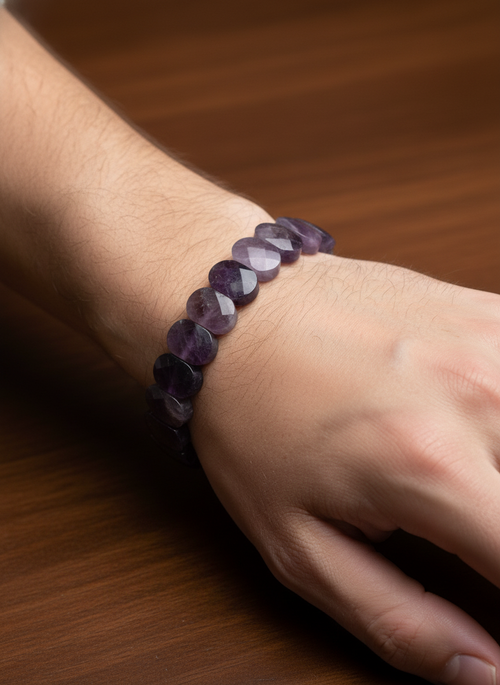
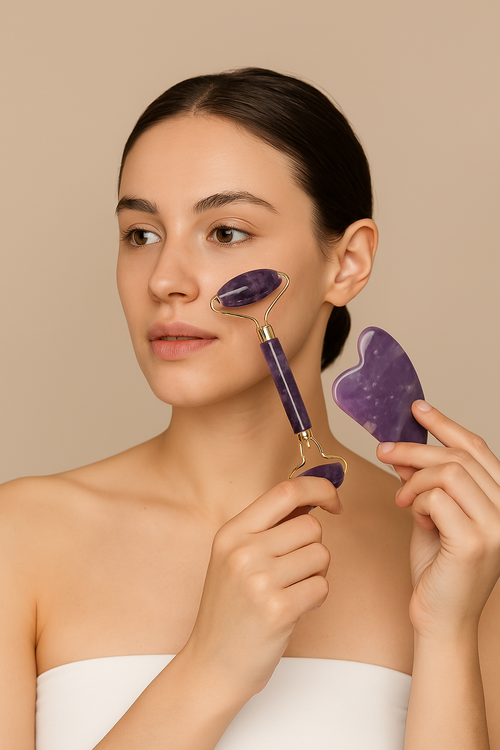
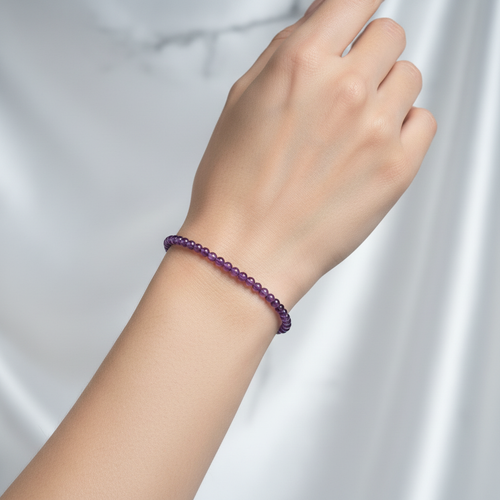
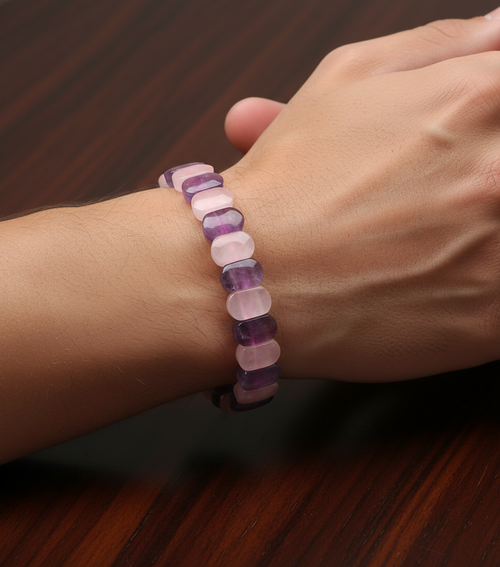
Jewelry and Decoration: Thanks to its bright pink-purple color and pearly luster, lepidolite is also sought after as a semiprecious ornamental stone . Flaky lepidolite inclusions, particularly those dispersed within clear quartz, are cut into cabochon-like shapes to create jewelry as "pink avaturine quartz" ( Lepidolite: A lithium-rich mica mineral, often pink or purple ). Lepidolite alone, due to its low hardness, is generally unsuitable for facet cutting; however, its smoothly cleaved surfaces are polished and used as pendants, earrings, or decorative stones. It also makes a striking specimen for mineral collections – well-crystallized lepidolite "booklets" and large blocks are displayed in display cases. It is also occasionally used as a carving stone for decorative purposes. Lepidolite is also polished with other pegmatite minerals such as quartz, tourmaline, and topaz to create interesting natural stone objects (table ornaments, bookends, etc.). In summary, lepidolite stone is a material that attracts the attention of both collectors and designers with its aesthetic appearance.
-
Alternative Medicine and Other Claims: Lepidolite, due to its lithium content, has gained a reputation as a "relaxing stone" among those involved in alternative healing practices. Some sources claim that lepidolite is beneficial for stress relief and provides positive energy. The scientific basis for this lies in the calming effects of lithium in psychiatry; however, this effect requires pharmacological intake of lithium ions. Scientifically , practices such as holding lepidolite or placing it in water and drinking it have no proven effect on stress or any other health issue. In other words, the psychological relief lepidolite provides depends on the individual's beliefs and the stone's appealing appearance, rather than the chemical effects of the lithium it contains. Therefore, the benefits attributed to alternative medicine are not scientifically supported. However, an indirect benefit of lepidolite can be mentioned: thanks to the discovery and study of lithium, this stone has been instrumental in the development of medications that contribute to the treatment of mental illnesses in modern medicine.
Scientific Research and Technical Analysis
Scientific studies on lepidolite are aimed at understanding its structure and behavior. This involves advanced analytical techniques, laboratory synthesis experiments, and spectroscopic methods:
-
Crystal Structure Analysis: The crystal structure of lepidolite was first solved by X-ray diffraction, confirming a monoclinic layered structure. Different polysomes (layer arrangements) have been identified, such as 1M and 2M1 ( Lepidolite X050113 - RRUFF Database: Raman, X-ray, Infrared, and Chemistry ). The structure determination for 2M1 lepidolite was re-done in the 1980s by Swanson and Bailey, and the atomic positions were reported precisely ( Lepidolite X050113 - RRUFF Database: Raman, X-ray, Infrared, and Chemistry ). These studies showed that the lepidolite structure contains lithium/aluminum octahedral layers and silica tetrahedral layers arranged between potassium layers. Detailed studies on the crystal chemistry and polymorphism of lepidolite were also published by Sartori in 1976 ( Lepidolite X050113 - RRUFF Database: Raman, X-ray, Infrared, and Chemistry ). These advanced crystallographic studies have provided insights into the fine details of the LEVELY (TOT) structure of lepidolite, the effect of the Li distribution in the polylithionite-trilithionite series on the structure, and how the F/OH ratio alters the lattice parameters. For example, X-ray studies have revealed that the substitution of F− ions for OH− reduces the interlayer spacing.
-
Spectroscopy Studies: Raman and FT-IR (infrared) spectroscopy are frequently used to understand the composition and internal structure of lepidolite. In 1989, Robert and colleagues analyzed various lepidolite samples using Raman spectroscopy, establishing a relationship between OH stretching frequencies and chemical composition (especially F contents) ( Lepidolite X050113 - RRUFF Database: Raman, X-ray, Infrared, and Chemistry ). This study allowed the approximate F/OH ratio of a lepidolite sample to be estimated from spectroscopic data. Similarly, by examining the absorption bands in the 3700–3500 cm−1 region of lepidolite using IR spectroscopy, the number of OH groups present in the structure can be determined. Such spectroscopic analyses enable non-destructive characterization of minerals. Lepidolite has also been studied using UV-Vis spectroscopy, showing that the bands responsible for the purple-pink color absorb around ~500 nm due to manganese. Advanced techniques such as NMR (Nuclear Magnetic Resonance) have also been used to investigate how lithium is coordinated in the structure. All these spectroscopic studies contribute to the understanding of lepidolite at the atomic level.
-
Laboratory Synthesis Experiments: Geologists have attempted to artificially synthesize lepidolite-like phases in the laboratory to understand the natural formation conditions of lepidolite. Hydrothermal experiments, in particular, have been conducted to map the stability domain of lepidolite. In 1971, J.L. Munoz produced synthetic polylithionite and trilithionite and tested them at various temperatures and pressures. He reported that lepidolite remained stable in the range of approximately 350–550°C and in environments with high F concentrations ( HYDROTHERMAL STABILITY RELATIONS OF SYNTHETIC... ). These findings helped explain why lepidolite appears late in pegmatites: At higher temperatures, lithium enters structures like spodumene rather than lepidolite; when the temperature drops and fluorine accumulates in the liquid, lepidolite crystallizes. Today, synthetic lepidolite-like thin films or crystals are being tested, particularly in the ceramics and glass industries. For example, some studies have synthesized thin ceramic coatings on lithium-mica structures and measured their dielectric properties. Such experimental mineralogy studies provide the opportunity to observe the physical and chemical behavior of lepidolite under controlled conditions.
-
Chemical Analysis and Technological Applications: Another aspect of scientific research on lepidolite is the development of lithium recovery methods. As the demand for lithium increases with modern technology, engineering is working to efficiently extract lithium from lepidolite ores. For example, in a recent study, lepidolite ore was first roasted in a water vapor atmosphere at around 1000°C and then leached with sulfuric acid to obtain a lithium solution ( A Novel Process for Extracting Lithium from Lepidolite - ScienceDirect ). This process succeeded in separating lithium using fewer chemical reagents than traditional methods. There is also research on disrupting the structure of lepidolite through grinding (mechanochemical activation) methods, enabling easier lithium extraction ( Lithium Extraction and Zeolite Synthesis via Mechanochemical... ). In addition, innovative recycling methods, such as zeolite synthesis from lepidolite waste, are being investigated. All these efforts are aimed at making lepidolite more than just a mineralogical curiosity and also being used as an industrial raw material.
In conclusion, lepidolite is a mineral that both forms through intriguing formation processes in nature and is studied closely in the laboratory. Its striking colors are a gift from trace elements like manganese, and its structural diversity stems from the variability of lithium and aluminum. While scientists use X-rays and lasers to analyze the information hidden within its crystals, engineers are developing innovative methods to bring the elements within this stone to the service of humanity. Throughout its scientific journey, lepidolite teaches us both about nature's subtle chemistry and provides the material for our technological future.
Source
-
Geology.com – Hobart M. King, “Lepidolite: A pink to purple mica, a source of lithium, an ornamental stone, a gem material.” ( Lepidolite: A lithium-rich mica mineral, often pink or purple ) ( Lepidolite: A lithium-rich mica mineral, often pink or purple ) ( Lepidolite: A lithium-rich mica mineral, often pink or purple )
-
Wikipedia (English) – “Lepidolite” article ( Lepidolite - Wikipedia ) ( Lepidolite - Wikipedia ) ( Lepidolite - Wikipedia ) ( Lepidolite - Wikipedia )
-
Mindat.org – “Lepidolite: Mineral information, data and localities.” (Hudson Institute of Mineralogy) ( Category:Lepidolite - Wikimedia Commons )
-
American Mineralogist – J. L. Munoz (1971), “Hydrothermal stability relations of synthetic lepidolite.” (Summary information) ( HYDROTHERMAL STABILITY RELATIONS OF SYNTHETIC ... )
-
Canadian Mineralogist – Robert, JL et al. (1989), "Characterization of lepidolites by Raman. I. Relationships between OH–stretching wavenumbers and composition." ( Lepidolite X050113 - RRUFF Database: Raman, X-ray, Infrared, and Chemistry )
-
ScienceDirect – Zhang et al. (2020), “A novel process for extracting lithium from lepidolite.” (Summary information) ( A novel process for extracting lithium from lepidolite - ScienceDirect )