ALL PRODUCTS IGSL INTERNATIONAL CERTIFIED

Natural stones, thanks to their aesthetic appeal and popularity, occupy a large place in the jewelry and decoration industry. However, as the value of these stones increases, so too has the prevalence of counterfeiting. Certifications are crucial for avoiding fakes and ensuring the safe purchase of genuine stones. So, how can you identify fake natural stones, and what role do certificates play in this regard?
How to Fake Natural Stones?
Counterfeiting can occur in many different ways in the natural stone market. Here are the most common types of counterfeiting:
- Synthetic Stones: These are stones produced chemically in a laboratory environment. They are almost identical in appearance to natural stones, but their chemical structures are different.
- Dyed Stones: Stones of lesser value can be dyed or colored to resemble natural stones.
- Glass Imitations: Imitation stones made of glass can be used in place of natural stones.
- Composite Stones: These are stones created by combining small pieces of natural stones and are generally considered to be of low quality.
How to Identify Fake Natural Stones?
Spotting fake stones often requires expertise, but here are some basic tips:
-
Color and Texture Control:
Natural stones often have uneven color tones and natural imperfections. Overly uniform color and texture may indicate a fake stone. -
Weight:
Real natural stones are generally heavier than fakes. Feeling the weight of the stone can help identify fakes. -
Cold:
Natural stones feel cool to the touch and this feeling lasts for a long time. Fake stones generally do not have this characteristic. -
Laboratory Analysis:
The most reliable method is to analyze the stone in a laboratory. The stone's authenticity can be confirmed by examining its chemical and physical properties.
The Role of Certificates in Fraud
Certificates are the greatest assurance when purchasing natural stone. These are official documents that prove a stone's chemical composition, physical properties, and authenticity. These documents, issued by independent and reliable laboratories, are critical for preventing counterfeiting.
Advantages of Certificates:
- It guarantees the authenticity of the stone.
- It provides detailed information such as the type of stone, color, clarity and weight.
- It minimizes the risk of purchasing fake stones.
- It is accepted in international trade and increases the value of the stone.
Which Institutions Issue Certificates?
Certificates are issued by internationally recognized institutions that analyze stones. The most well-known certification bodies are:
- GIA (Gemological Institute of America)
- IGSL (International Gemological Science Laboratory)
- IGI (International Gemological Institute)
- HRD Antwerp
The certificates issued by these institutions prove the originality and value of the stone.
Request a Certificate When Purchasing Natural Stone
One of the most effective ways to protect yourself from counterfeiting is to request a certificate for the stone you purchase. Certified stones are the most important guarantee of a safe purchase. They also increase the stone's investment value and provide long-term customer confidence.
Choose Reliable Stone Dealers:
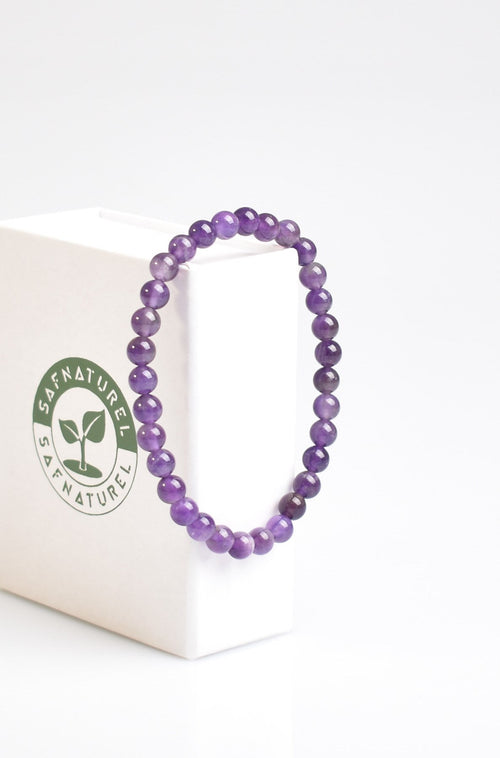
Purchasing certified natural stones from reputable sellers minimizes your risk of encountering fakes. For example, Safnaturel has all its natural stones tested by independent laboratories before offering them to its customers.
Certified Natural Stones at Safnaturel
At Safnaturel, we have every natural stone analyzed and certified by internationally recognized laboratories. To shop safely without worrying about counterfeits, you can browse our collection at safnaturel.com .
Failure to exercise caution can lead to significant financial and emotional losses in natural stone counterfeiting. However, certified stones can protect you from counterfeit stones and ensure the stone's authenticity and quality. When purchasing natural stone, be sure to request certification and work with reputable sellers.